Growth & Community
Take3
October 29, 2026
8
min read
What to Look for in a Web3 Marketing Agency in Dubai
Author of this article is Louise Macfarlane, Web3 Strategist at Take3
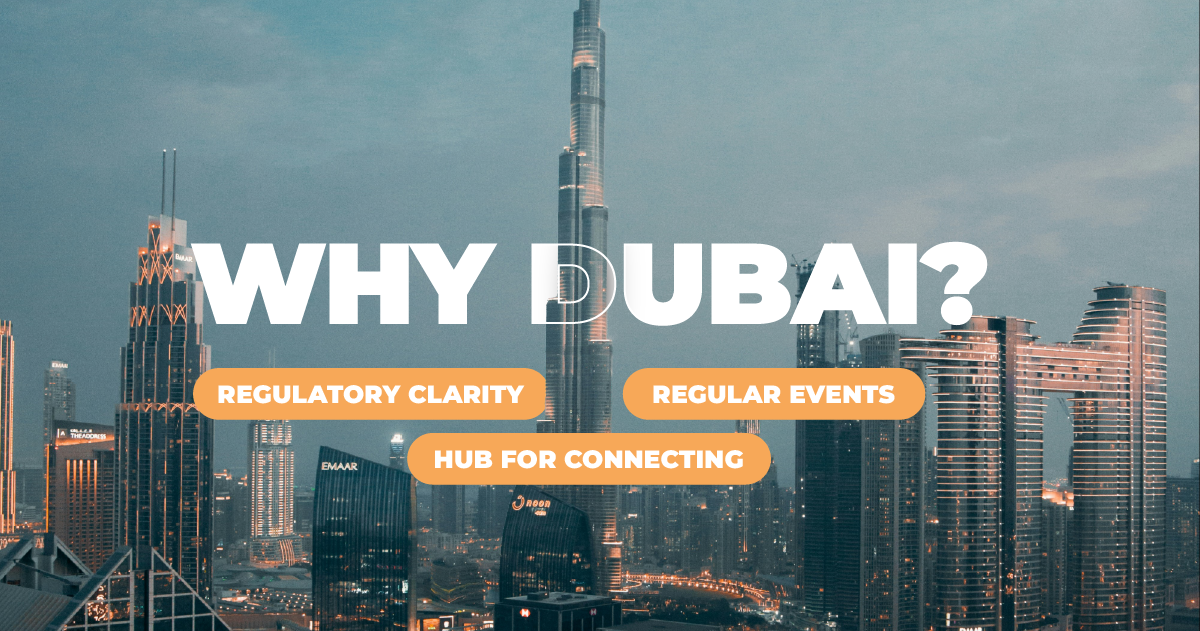
While some regions of the world are held up or held back by slow-moving regulatory decisions, Dubai decided that there was a much better way to help the Web3 industry. They gave Web3 a clear rulebook and a dedicated regulator, which has made it one of the easiest places in the world for innovative founders to build.
Hundreds of crypto and blockchain companies have been drawn in the same few districts, and the community atmosphere has brought connection and trust which marketing budgets just can’t buy. For Web3 brands choosing a marketing agency in Dubai, being part of this environment gives an additional bonus.
Take3 works with Web3 and emerging tech companies across Dubai, Sydney, and London, and treats trust as the primary growth metric rather than a byproduct of a bigger campaign.
So why does having a physical presence in Dubai matter for Take3?
What does the local Dubai community have to offer start-ups from Web3?
And what are some of the top tips to look for when choosing a marketing agency in Dubai to work with?
Key Takeaways
- Dubai’s dedicated virtual asset regulator, VARA, gives Web3 businesses a clear licensing path.
- Clusters such as the DMCC Crypto Centre bring together hundreds of Web3 companies.
- A Web3 marketing agency in Dubai should combine native crypto fluency with proven marketing discipline and real connections inside the local ecosystem.
- Structured strategy still matters even for brands pursuing organic, trust-led growth.
Why has Dubai become a hub for Web3 businesses?
Dubai became a Web3 hub because it built regulation for the industry instead of what to see where the industry would eventually land. In 2022 the emirate passed Law No.4 Regulating Virtual Assets and created the Virtual Assets Regulatory Authority (VARA), whose only focus is virtual assets.
VARA’s covers the whole emirate, including its free zones, with the exception of the DIFC, which has its own regulator (VARA Rulebooks). Companies offering regulation virtual asset services need a VARA permit and an approved legal presence in Dubai, so real operators have a strong reason to put real teams physically on the ground, rather than simply registering a mailbox.
This is also important for marketers, as a licensed locally present business can talk more openly about what it does and who oversees it, which builds valuable credibility in the sceptical world of Web3 audiences.
How does being part of Dubai’s Web3 community help brands grow?
Location. Location. Location.
One of the biggest advantages for Web3 brands is not only where Dubai is in the world, a meeting point between Asia, Europe and America, but how it draws all the right people into the same few districts and brings them together at regular events.
The DMCC Crypto Centre alone has an ecosystem of more than 750+ members with leading companies such as Bitcoin.com and Animoca brands opening their first regional offices there.
The events calendar is also packed full of regular events, from meetups to hackathons, and also hosts some of the biggest events in the world, such as TOKEN2049 Dubai, and Crypto Expo Dubai.
These events bring together the wider community, not only from Web3 and Crypto, but the closely connected investor and technology sectors, and enables the ecosystem to grow and develop consistently.
What should you look for in a Web3 marketing agency?
The right Web3 marketing agency will combine a variety of skills, from native crypto fluency to traditional brand discipline and they will understand local markets well and be able to engage with the community.
Web3 audiences view brands differently from traditional consumers, they want to know who built the product, what incentives sit underneath it, and if their team will keep showing up after launch.
When comparing agencies, look for these qualities:
- Regulatory awareness.
Since VARA’s marketing regulations came into effect on 1 October 2024, only VARA-licensed virtual asset service providers, or those acting on their behalf, can market virtual asset activities in or targeting the UAE.
The rules require clear risk disclosures, treat airdrops as a form of marketing, and require any incentive, whether monetary or not, to be cleared with VARA in advance.
Agencies carry obligations of their own, and fines can reach AED 10 million per violation, so the right partner should understand exactly how these rules shape what a brand can say and do.
A simple test is to ask an agency what changes in a campaign before and after a client is licensed.
- KOL and influencer compliance.
Since the UAE Media Council introduced its Advertiser Permit, anyone publishing promotional content on social media in the UAE needs a permit, whether or not they are paid for the post, and visiting creators must apply through a licensed advertising or talent management agency.
An agency running KOL campaigns should confirm that every creator holds the right permit and that every paid partnership is clearly disclosed, which our crypto KOL disclosure guide explains in more detail.
Before approving a campaign, ask the agency to show you the permit details for each creator on its shortlist.
- Native Web3 fluency.
Deep familiarity with tokenisation, blockchain infrastructure and crypto-native audiences allows an agency to speak credibly to people who know the technology well, and those audiences notice quickly when a brand gets the details wrong.
To check this, ask the agency to explain your tokenomics back to you in plain language, including why your supply and incentives are designed the way they are.
- Local presence and ecosystem connections.
A Web3 marketing agency in Dubai should actually be on the ground, with an office, a regular presence at DMCC meetups and events such as TOKEN2049, and relationships across Dubai’s Web3 districts and media that help a brand earn introductions rather than buy impressions.
A simple check is to ask which local events the team attended recently and who specifically they could introduce you to in your first month.
- A community track record, not follower counts.
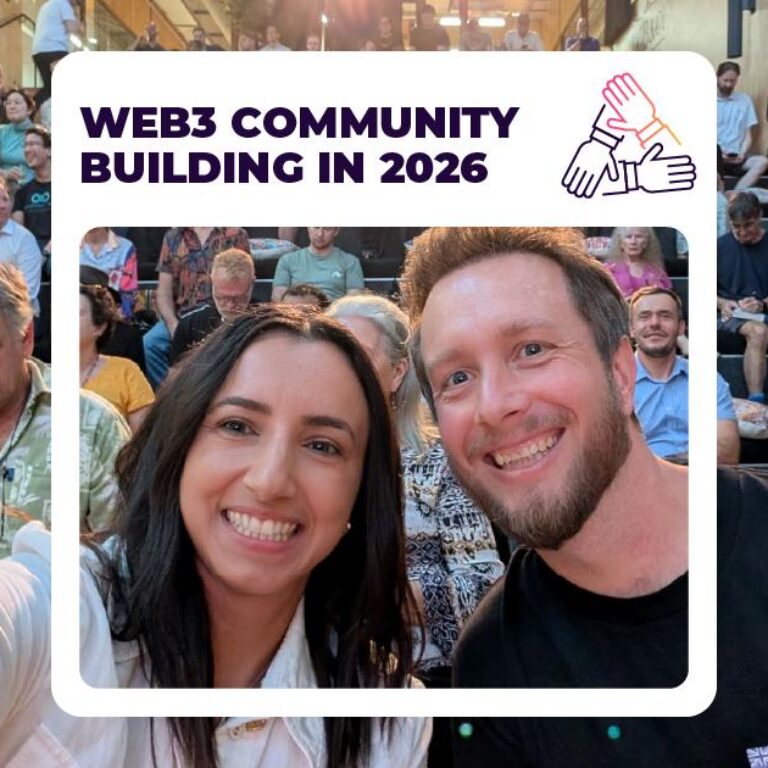
Follower numbers are easy to inflate and say little about whether a community will last, so look for proof that the agency can build something people keep coming back to, an approach we explore in our look at how Web3 community building has changed in 2026.
Ask for one community the agency built that is still active two years later.
- Full-service delivery.
Bringing creative strategy, community management and technical execution under one roof keeps messaging, product truth and delivery aligned, and avoids the credibility gaps that appear when each function is outsourced separately.
Ask who would work on your account in each of these areas and whether they are in-house team members or contractors.
- A trust-first lens with meaningful measurement.
Strategic frameworks borrowed from traditional brand-building work best when trust is the core measure of every growth decision, which means tracking outcomes such as holder growth, community retention and qualified introductions rather than vanity metrics like impressions.
Ask to see an example report, and check whether it shows who engaged and stayed or simply how many people saw a post.
- Staying power through a bear market.
Any agency can look successful when the market is rising, but client relationships that lasted through a downturn show a real commitment to growth beyond the next bull run.
Ask which clients the agency kept working with throughout the different market cycles.
- Global reach.
The ability to carry a Dubai-based brand into other markets without losing consistency in tone or claims matters as soon as a project grows beyond the region, especially as marketing rules differ from one country to the next.
Ask for an example of a campaign the agency ran across several markets and how it adapted the messaging to each market’s regulations.
Why do Web3 brands need a trust-first strategy?
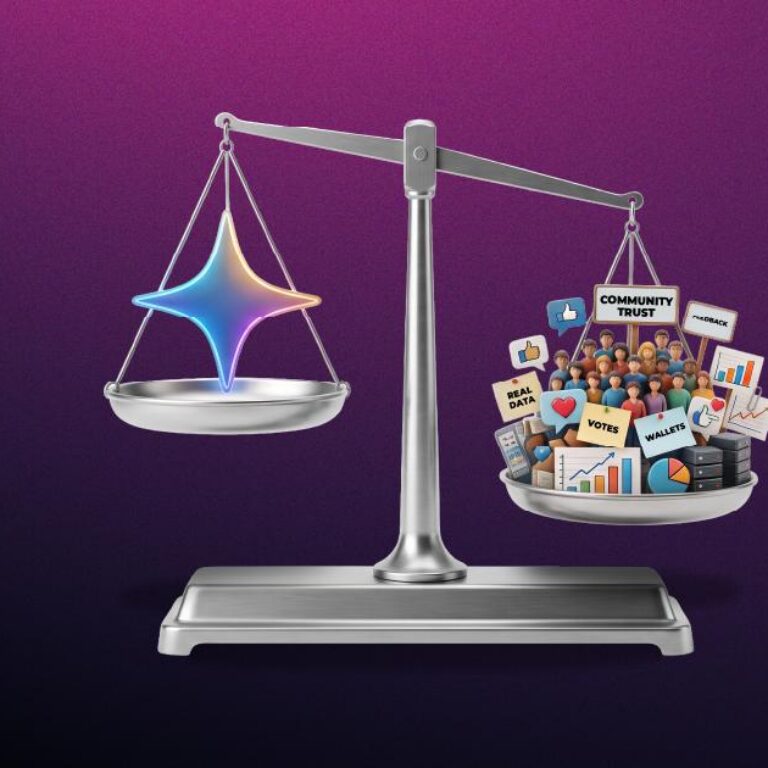
Attention fades within a single news cycle these days, yet trust compounds over years and survives bear markets to roar back during the bull market. Web3 brands who have a trust-first strategy will survive the rollercoaster ride and be remembered after the news has died down.
Consistency and transparency earn advocacy and trust over time, and as organic reach dies away, having a community that advocates for a brand becomes a very powerful tool.
While Web3 is mostly a digital and online industry, we have seen over the years the value real life connections bring to projects.
Being at events in real life, in locations like Dubai, creates interactions with not only the audience businesses are looking to connect with, but also with the founders, investors and partners who shape how a project is perceived across the wider ecosystem.
Because so many Web3 companies work in the same few Dubai districts and meet at the same events throughout the year, a brand that shows up consistently there quickly becomes a familiar and trusted name and that recognition carries right back to the online communities where most of the conversations happen.
This is what makes Dubai such a valuable base for a trust-first strategy, since the relationships built face to face give every digital interaction that follows a strong foundation, helping brands stay credible through the downturns and ready to grow when the market turns again.
Why is Dubai the right place to build a trusted Web3 brand?
Dubai combines regulatory clarity, a physical community and a calendar of world-class events, which lays the foundations for Web3 brands to grow quickly. than in almost any other market. With clearly communicated rule updates, Dubai gives founders the information they need to be able to plan and focus on building out their product and brand.
This environment means that brands can treat trust as a fundamental pillar of their product and connect with those who will help them grow and develop over time.
To conclude
At Take3, working from Dubai has meant we’ve been able to see first-hand what happens when Web3 builders, founders and investors share the same city, the same events and often the same coffee queues.
A conversation at a DMCC meetup turns into an introduction, a chat at TOKEN2049 turns into a partnership, and with VARA giving the industry clearer rules to work with, people can spend their energy building something worth trusting rather than worrying about whether they’re allowed to build at all.
If you’re a Web3 founder wondering where to build next, we encourage you to take a look at Dubai, and if you’d like to hear what it’s really like working within Dubai’s Web3 community, get in touch with the Take3 team here as we would love to share what we’ve learned.